

Your “Made in USA” Shampoo Probably Isn’t What You Think

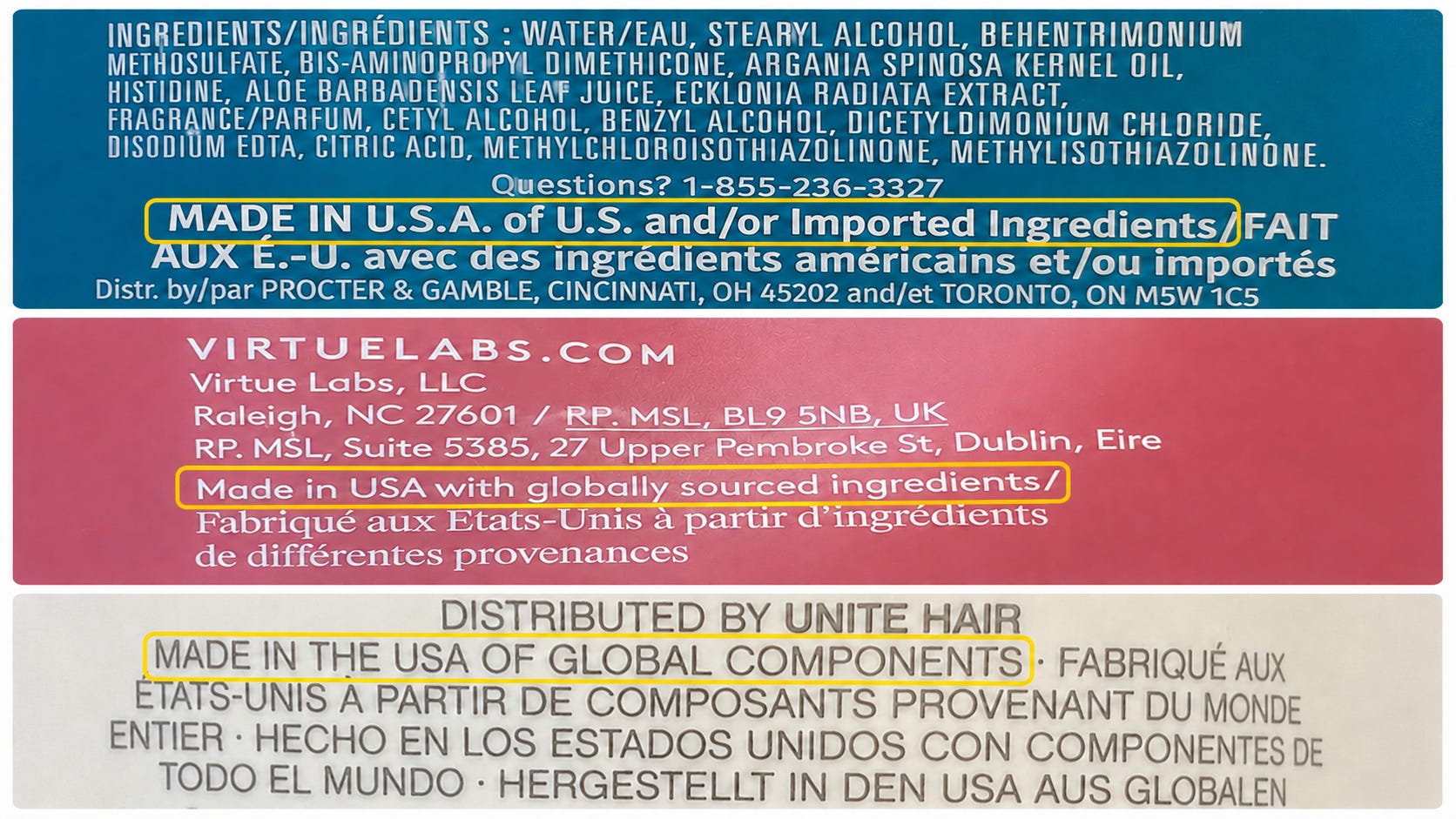
Open your shower or medicine cabinet and take a look at the labels. Shampoo. Conditioner. Soap. Body wash. The brands look and feel deeply American—familiar names that seem as domestic as the bathrooms they occupy. Most of them appear to be made in the United States, and many say so directly. But if you read carefully, a pattern begins to emerge. Not a contradiction, exactly. Something more subtle than that. A qualifier that changes the meaning of the entire claim.
What you’ll notice, once you look for it, is a recurring phrase: “Made in USA with global ingredients”. The exact wording varies, but the message is always the same. The product is presented as American-made, and that’s sort of true. But that small qualifier is a lot more important than people realize. It tells you that the final mixing, blending, or bottling may happen in the United States, while leaving almost everything else unanswered: which ingredients are actually domestic, which are imported, and whether those imports come from allied countries or from China. If a soap is the sum of its parts, and the parts are made using slave labor in China, what does it even mean to say that it’s “Made in USA”?
“Slave labor” is not hyperbole. This is not about foreign workers earning lower wages than Americans or getting fewer breaks. This is about innocent people in Xinjiang and other persecuted minorities whose basic freedoms have been stripped away. They have no choice over where they live, who they associate with, where they work or how many hours. More horrifying still, they are denied control over their own bodies; coerced abortions, sterilizations, and even forced organ harvesting are well documented. But this is where many chemicals—caustic soda, solvents, industrial salt, intermediates, and additives—come from that end up as (or help make) ingredients used in products like body washes, cosmetics, and hair care products.
While the vast majority of the industry operates this way—which is to say, operates with a convenient lack of transparency—there are a few companies taking a different approach.
As always, we at PureSource are proud to support the people and businesses dedicated to revitalizing American industry—by manufacturing in the U.S., sourcing domestically when possible, and speaking honestly about where dependence on foreign supply chains persists.
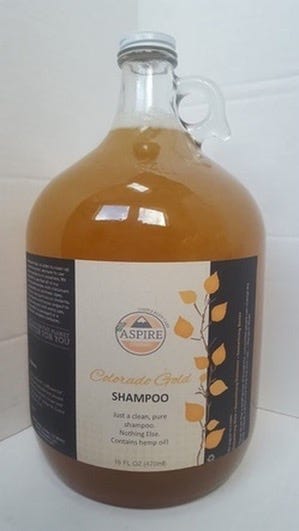
One of those businesses is Aspire, a company based in Golden, Colorado, that makes personal care products including shampoo, conditioner, soaps, lip balm, sunscreen, and many others. But unlike their competitors, Aspire is trying to make these products with American-made ingredients. That means continually searching for domestic suppliers, using foreign-made materials only when necessary, and being open about which ingredients are not currently made Stateside and where they actually originate. Aspire also uses organic ingredients whenever possible, which as we discussed in The China in Your Pantry You Never Knew About helps reduce dependence on pesticides, additives, and industrial inputs tied to Chinese manufacturing.
We interviewed Julie Smith, Aspire’s owner, to better understand her approach to American manufacturing: “Finding U.S.-made ingredients is not as simple as placing an order online,” she explains. “It takes countless hours of research, phone calls, and follow-up questions, and sometimes there simply isn’t a domestic source available.” That is especially true in a category where many of the underlying inputs—oils, fragrances, preservatives, minerals, packaging materials, and other specialized ingredients—come through long and often opaque supply chains.
And even when a domestic source exists, finding it is only the beginning.
According to Smith, “In some cases, the U.S.-made ingredients we buy can cost as much as 50% more than foreign-made alternatives, and that is before factoring in shipping.” Domestic suppliers often also require larger minimum orders, creating inventory and cash-flow challenges. But Aspire makes the effort anyway. As Smith puts it, “Sourcing U.S.-made ingredients, especially organic, isn’t easy. But when a domestic option exists, we make every effort to use it.” That’s what makes Aspire so exceptional: it is not just focused on where the final product is made; where the ingredients come from is just as important.

Aspire’s products are not 100% made in the United States, and the company does not pretend otherwise. But they are probably about as close as most consumers can realistically get in this category today. In the vast majority of cases, Aspire’s ingredients are made in America or sourced from friendly countries such as Canada, Italy, or Spain in ways that minimize Chinese involvement, such as using organic materials. In the few cases in which Aspire has yet to find alternatives to ingredients made in China (e.g. their lotion bars still contain a few such ingredients), the company is always transparent, which means that customers can make informed decisions.
Aspire cannot solve the personal-care sourcing problem alone. No single company can. But Aspire is setting an example for other manufacturers to follow, and strengthening the domestic supplier base in the process. This is how revitalizing an industry begins. Every American supplier order Aspire places supports a U.S. oil manufacturer, a domestic farmer, a local processor, a testing lab, a packaging company, or some other part of the industrial ecosystem. Over time, those choices strengthen the entire network, making it easier and less expensive for other U.S. personal care companies to source ingredients here too.
Rebuilding domestic manufacturing happens one ingredient, one supplier, and one honest label at a time. That is the work consumers rarely see when they pick up a bottle of shampoo or conditioner, but it is exactly the work that has to happen if American manufacturing is going to become real again from the ground up. Companies like Aspire, and the customers who choose to support them, are helping American industry so that “Made in USA” actually means what it says.
Sincerely,
Guy Barnett
PureSource
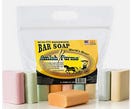
P.S. Aspire is not sponsoring this newsletter, but we’re proud to highlight them, and we encourage you to check out their website linked above. If you’d like to support the work we’re doing at PureSource, you can also explore the personal care products below. As always, our goal is to help you find the products you love from the places you want.
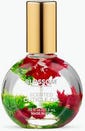
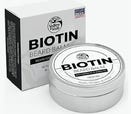
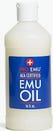
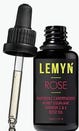
This content is reader-supported. As an Amazon Associate, PureSource earns from qualifying purchases.